01. Give each thing a home
Choose one reachable spot for the leash, one washable towel for wet days, and one basket for the things you actually use. Keep the walking route clear so you are not stepping around supplies while holding a lead.
02. Build a clean-to-dry sequence
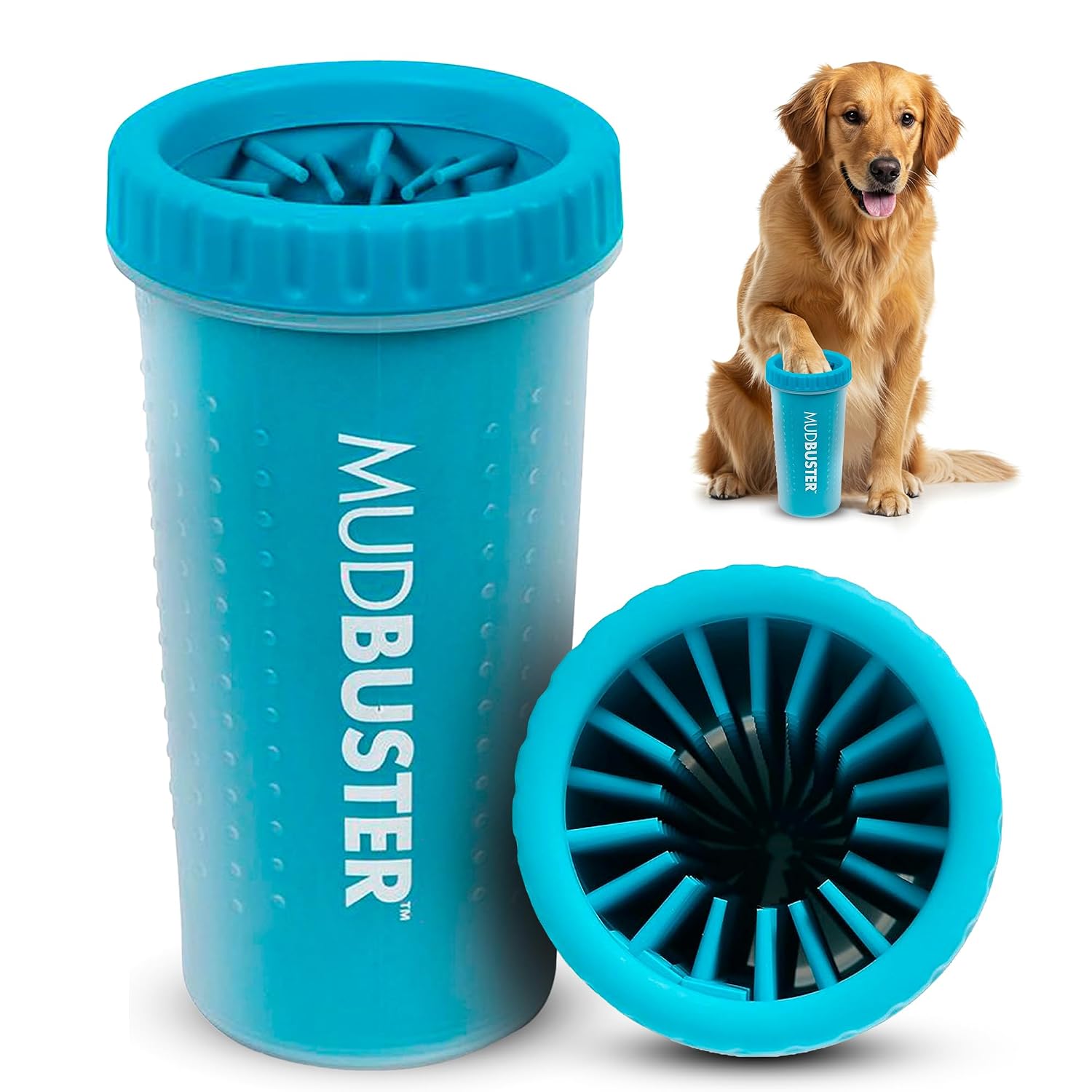
Put the towel where you finish, not where you start. If you use a paw-cleaning cup, keep it nearby, follow its instructions, and dry paws gently afterward. Some dogs prefer a damp cloth. Start with what your dog tolerates comfortably.
03. Match the setup to your floor
Check the care guidance for your flooring before choosing mats or cleaners. Lift mats to dry underneath and avoid leaving moisture trapped against the surface. A tidy-looking corner still needs regular cleaning.
04. Edit before you buy
Try the setup for a week using what you already have. Notice what you reach for and what stays untouched. Add a product only when it solves a problem you keep having.
05. Try a narrow-hallway layout
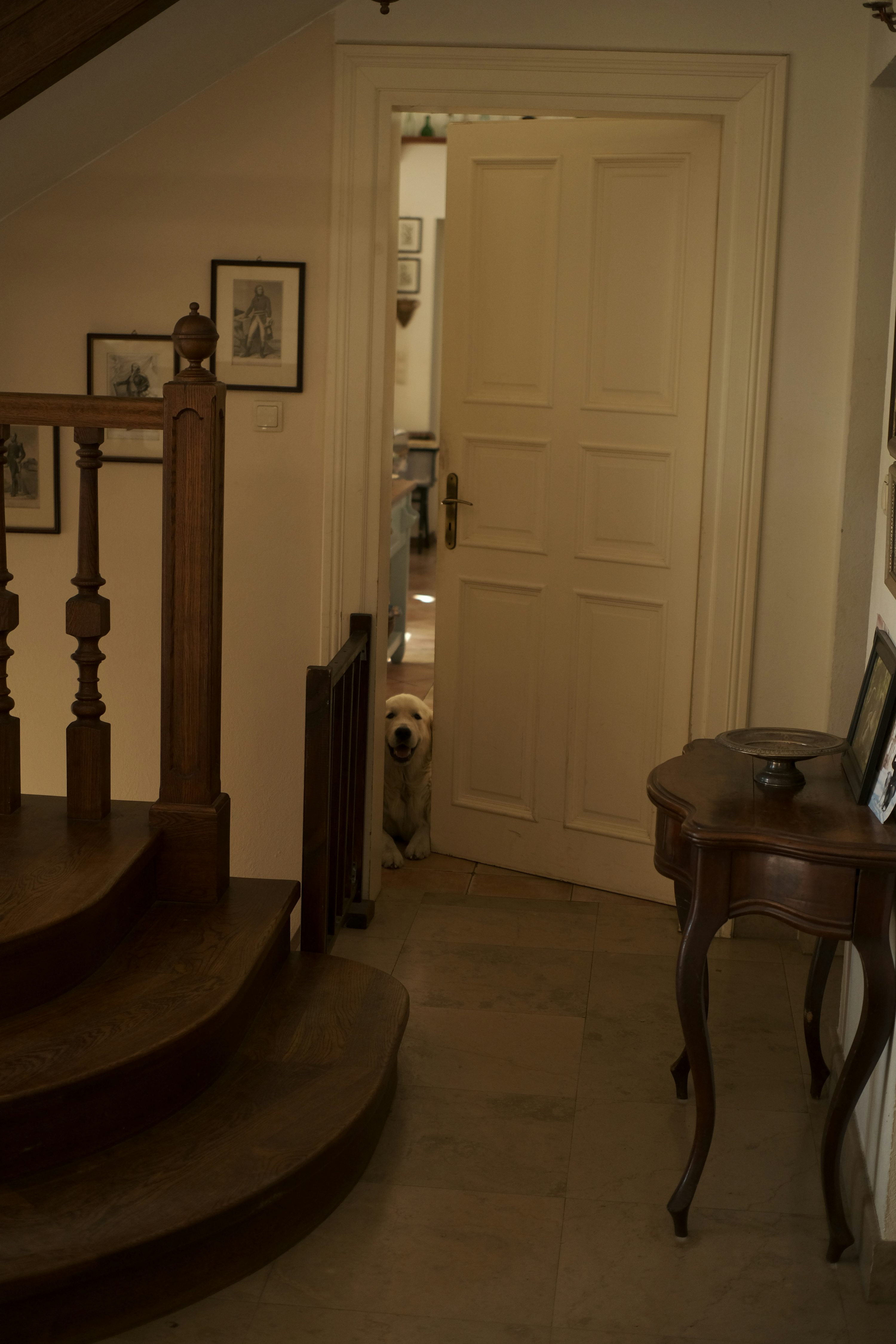
In a narrow hall, start with vertical storage rather than a freestanding cart. Place the leash hook where you can reach it while keeping the door closed, and keep a washable towel on a separate hook. Test the arrangement with the door fully open and with someone carrying groceries. If either person has to step over the dog supplies, move them. A mat should lie flat and stay clear of the door swing; a larger mat is not useful if its edge catches under the door.
06. Make wet-day cleanup easy to finish
Set aside a place for used towels that is different from the clean-towel supply. Do not put a damp towel back into a closed basket and forget it. After a wet walk, take care of the equipment as well as the paws: empty and clean any cup according to its instructions, lift the mat if moisture has reached the floor, and let everything dry. The setup works best when the last step is simple enough to do before you move on with your day.
YOUR LITTLE RESET